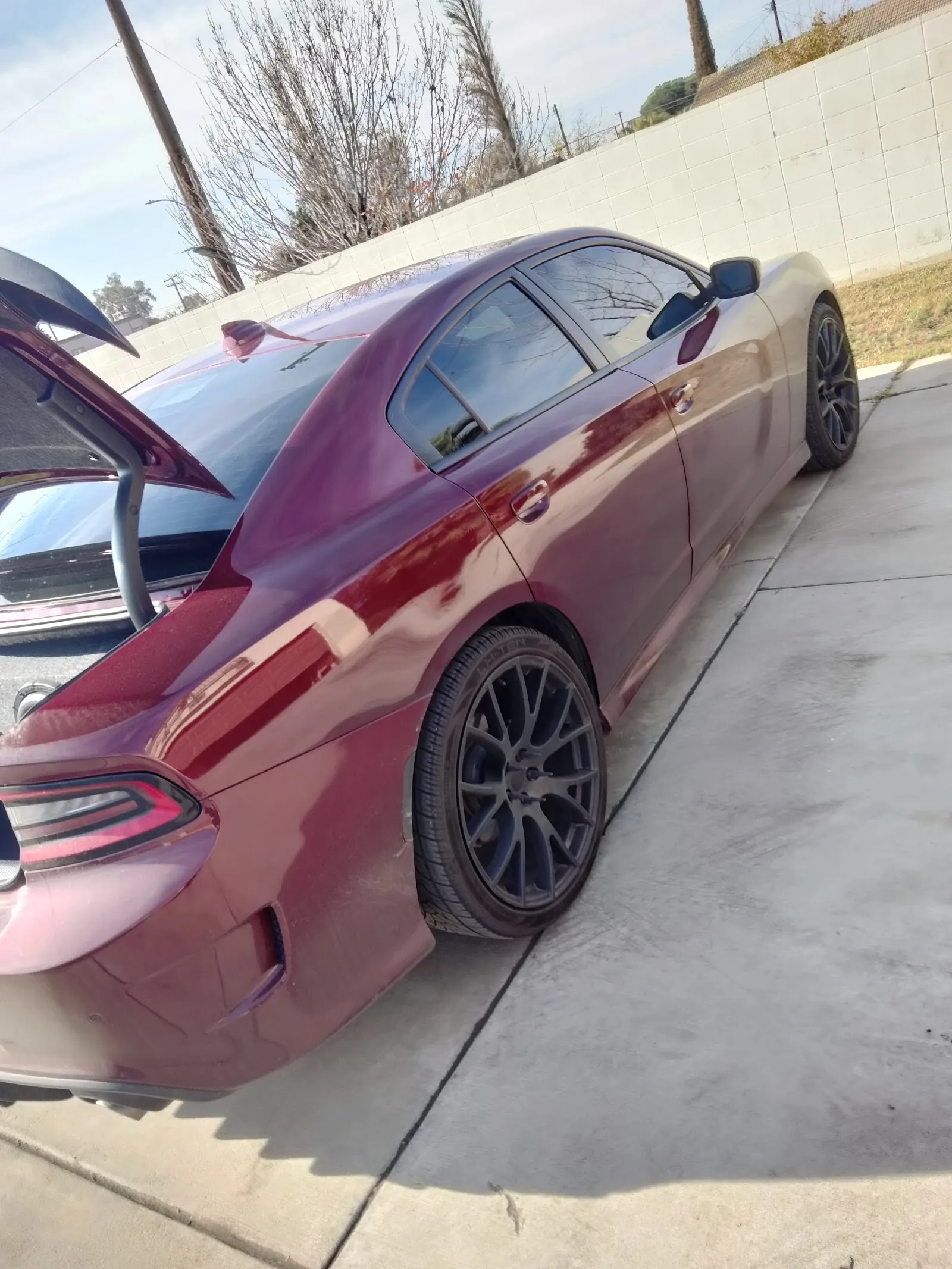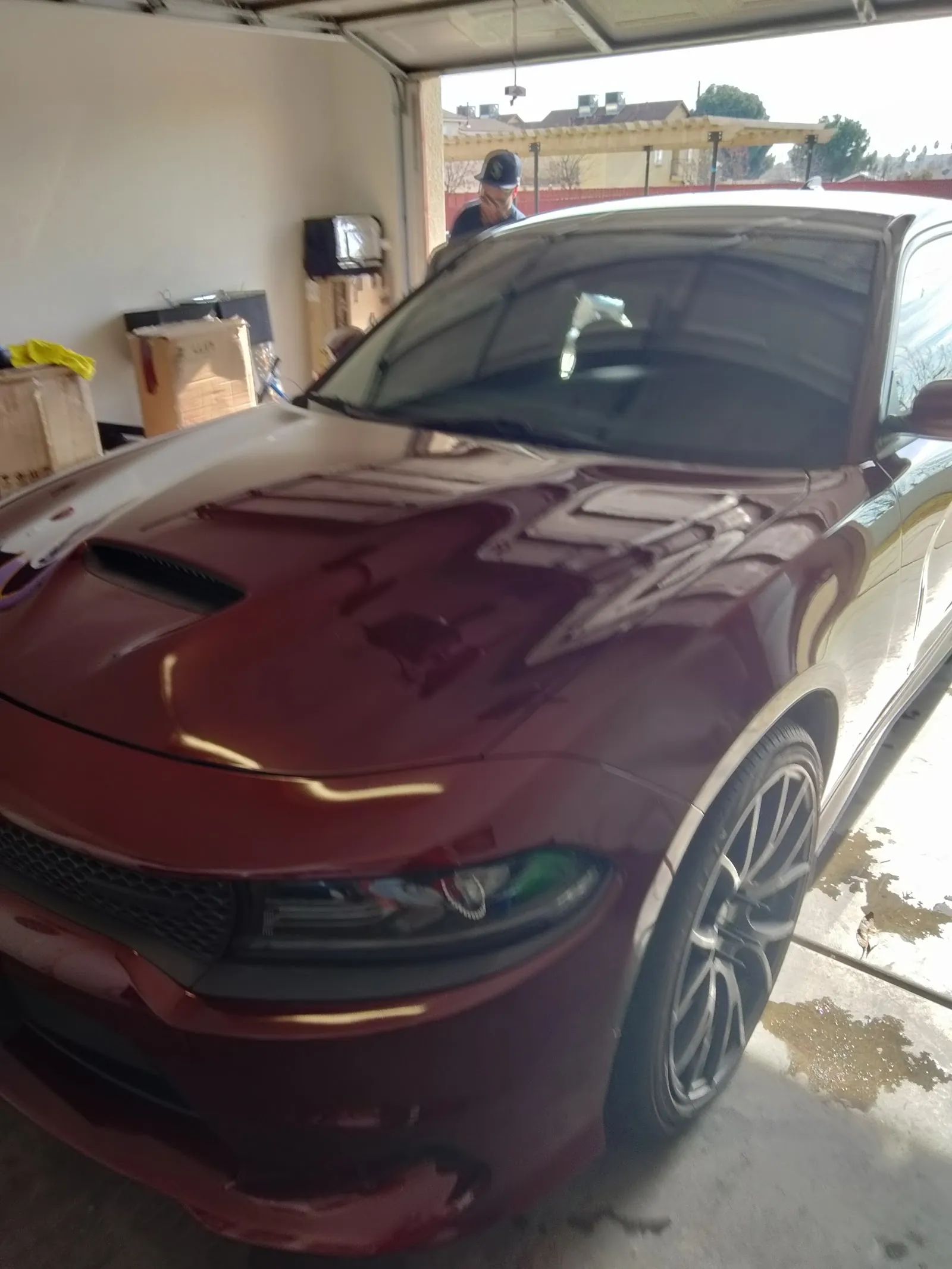
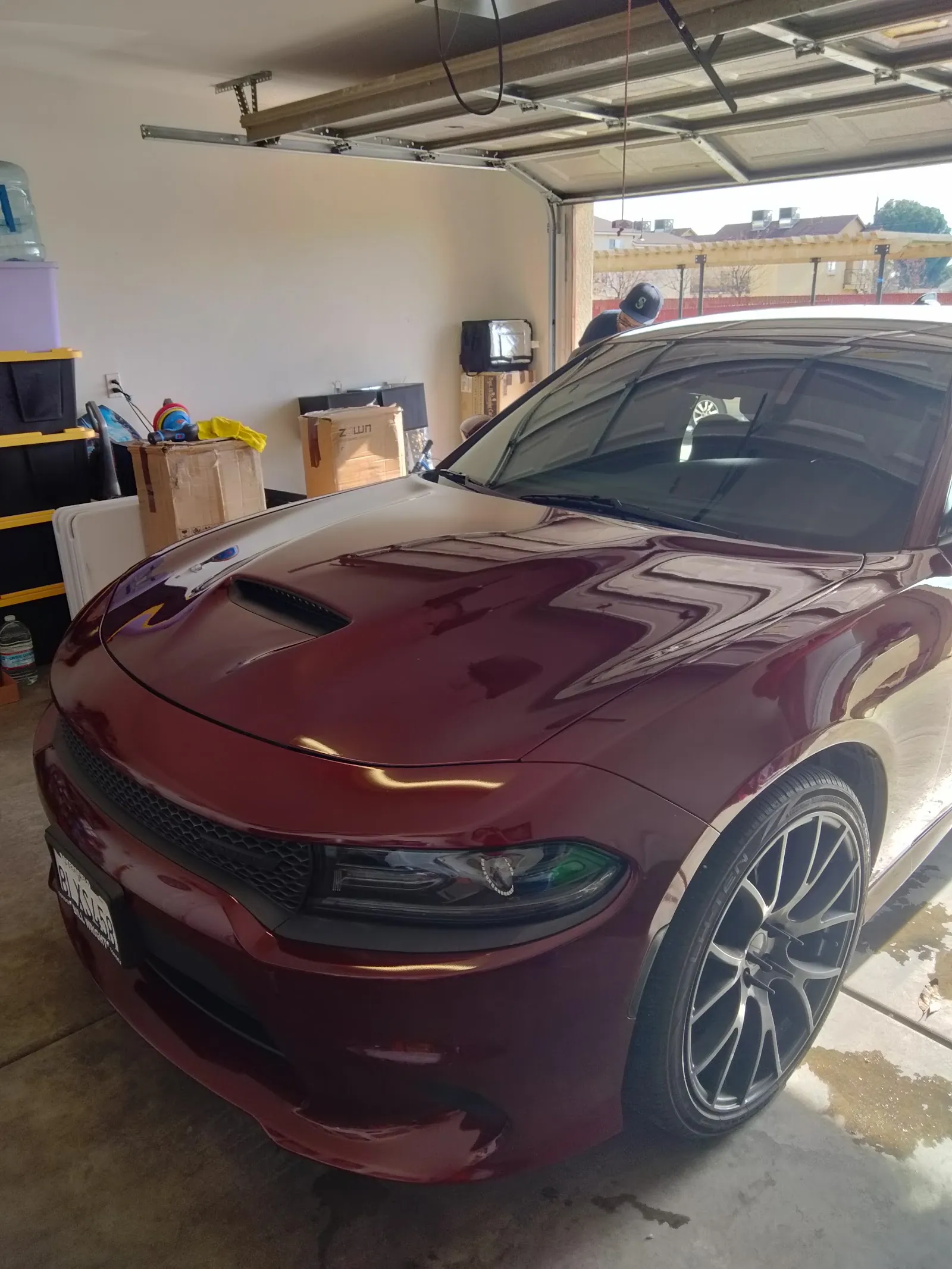
Most vehicles do not need detailing on a rigid calendar. A better rule is to plan a deeper detail when normal upkeep is no longer enough to keep the car comfortable, presentable, and protected. For many drivers, that lands somewhere between every three and six months. Others can go closer to once a year. A daily family SUV parked outside in Bakersfield has a very different routine than a garage-kept weekend car.
How often you should get your car detailed comes down to how the vehicle is used, where it is parked, what it carries, and how quickly dirt builds up. Dust, summer heat, road trips, pets, kids, work gear, food spills, and outdoor parking all change the answer. The goal is not to turn car care into another chore. It is to reset the vehicle before grime becomes harder, slower, and more expensive to deal with.
If you are deciding between a wash, an interior cleanup, or a full appointment, start with the condition you can see and feel. This guide gives you a practical schedule, the signs that tell you it is time, and a simple way to choose the right service without buying more than your car needs.
The short answer: detail most cars every three to six months
For a typical daily driver, a professional detail every three to six months is a sensible starting point. That timing gives the interior, paint, wheels, glass, mats, trim, and the hard-to-reach areas a proper reset before normal buildup becomes overwhelming. It is frequent enough to stay ahead of everyday mess without treating a detail like monthly maintenance.
That is a starting point, not a rule. A vehicle that stays in a garage, carries one person, and gets washed carefully can usually stretch the interval. A vehicle used for school drop-offs, pets, job sites, rideshares, road trips, or regular outdoor parking may benefit from attention more often. The same is true if the car is exposed to dust, bird droppings, tree sap, bug residue, or spills that should not sit for months.
A detail is different from a basic wash because it focuses on the areas routine cleaning misses. If you are not sure what that includes, the car detailing guide explains the difference between a quick surface clean and a condition-based service. The useful schedule is the one that fits the vehicle you actually drive, not the one that sounds best on a generic checklist.
Detail every two to four months if your car works hard
A shorter interval makes sense for vehicles that collect more dirt, wear, or interior mess than average. Family SUVs, work trucks, pet-friendly cars, commuter vehicles, and cars that spend most days outside tend to show their age quickly. In those situations, detailing every two to four months can keep the cabin manageable and prevent the exterior from looking neglected between routine washes.
Pay particular attention if you carry kids, pets, sports equipment, food, landscaping supplies, tools, or job-site dust. Loose debris is one thing. Pet hair worked into carpet, sticky residue in cup holders, stained upholstery, and grime around switches and seat rails are different problems. They are easier to address before they become the vehicle's permanent personality.
Outdoor parking also changes the equation. A car exposed to sun, dust, pollen, debris, bugs, and the occasional bird dropping needs more frequent inspection than one that lives under cover. You do not need a full detail after every dusty day, but you should remove anything that looks likely to stick, stain, or etch rather than waiting for the next season.
For a vehicle that is used hard, an interior or exterior mobile detail can be more useful than treating every appointment as a full reset. Choose the area that needs the work. If the cabin is fine but the paint, wheels, glass, and trim are suffering, exterior care may be enough. If the outside is under control but the seats and carpets are not, start with the interior.
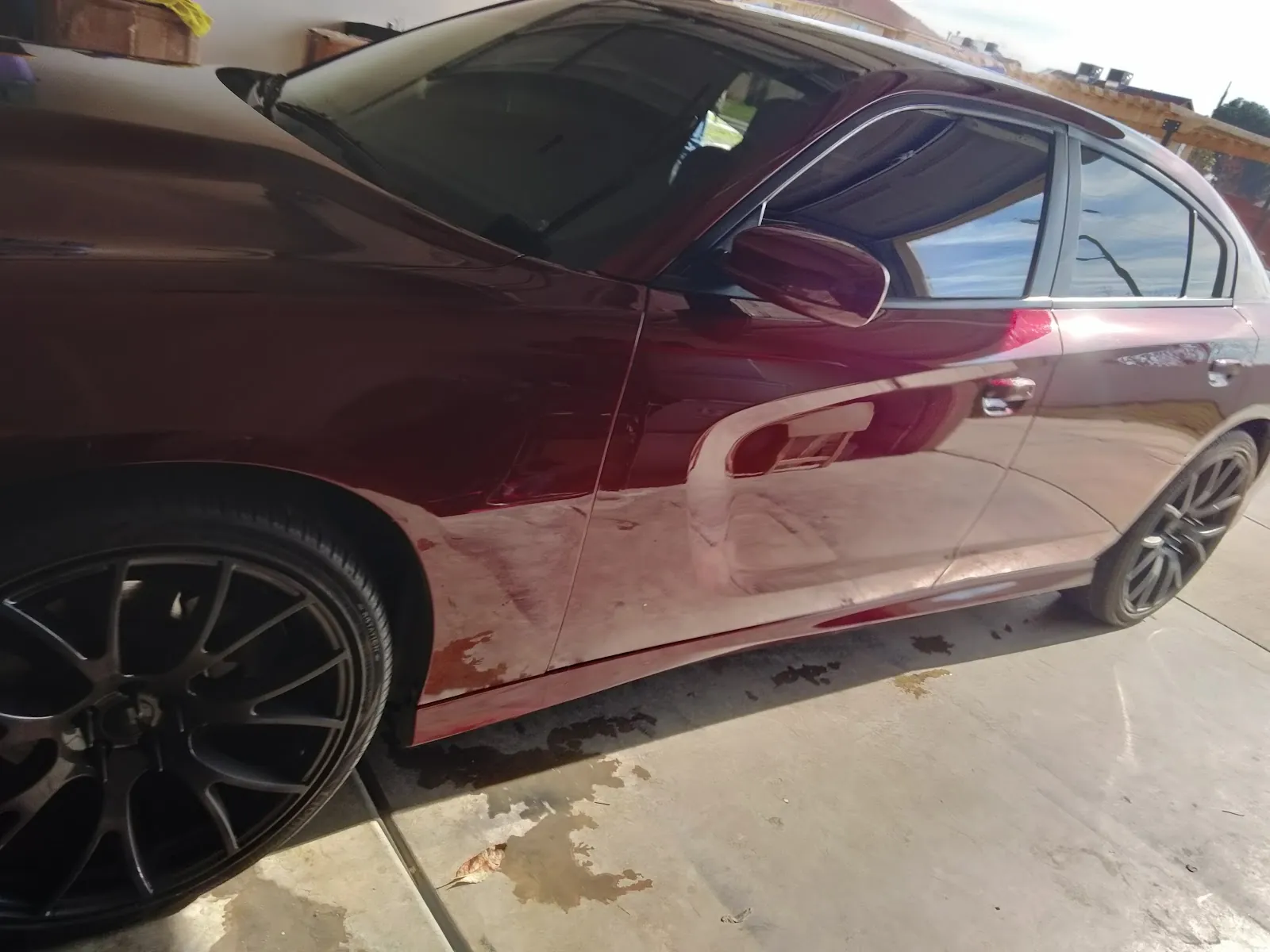
Detail every six to twelve months if your car stays clean easily
A lightly used, garage-kept vehicle can often go six to twelve months between full details. This is more realistic for a weekend vehicle, a second car, or a commuter that has a clean interior, protected parking, and regular basic washing. Even then, the calendar should not overrule the condition of the car. A year is not a free pass for a spill, musty cabin, hazy glass, or neglected paint.
Longer intervals work best when you keep up with the small jobs. Remove trash weekly, shake out mats, blot spills promptly, clean visible bird droppings or sap, and use clean microfiber towels on paint and glass. Those small habits do not replace detailing, but they make a deeper appointment more effective when it is time.
Drivers who want the outside to stay easier to wash can also discuss ceramic coating. It is a protection option, not a force field. A coating does not prevent every scratch, chip, or impact, and it does not mean you can ignore the vehicle. What it can do is make ongoing cleaning more straightforward when the paint is properly prepared and cared for.
Five signs your car is due for a detail sooner
You do not need to wait for a set date when the vehicle is clearly telling you it needs attention. The best time to book is often when normal cleaning no longer changes how the car looks or feels. These are the most useful signs to watch for:
- The interior still feels gritty after a vacuum. Dust in vents, debris in seat tracks, pet hair in carpet, and residue on trim usually need more than a quick pass.
- Stains or odors are becoming part of the cabin. Fresh spills are easier to deal with than old ones. Waiting can let the problem settle deeper into upholstery, carpet, or mats.
- The exterior looks dull right after a wash. Road film, contaminated paint, dirty wheels, tired trim, and hazy glass can make a washed car still look unfinished.
- You are preparing for a sale, trip, event, or new driver. A deep reset is practical when the car needs to feel good for a specific milestone, not just because the calendar says so.
- You have stopped inviting people into the car. That is usually a clear sign the interior needs more than a little organizing.
These are also useful details to share when you request a detail. A short description of the problem, the vehicle type, and a few photos can help the team recommend the right scope instead of guessing from a generic package name.
Bakersfield conditions can change your schedule
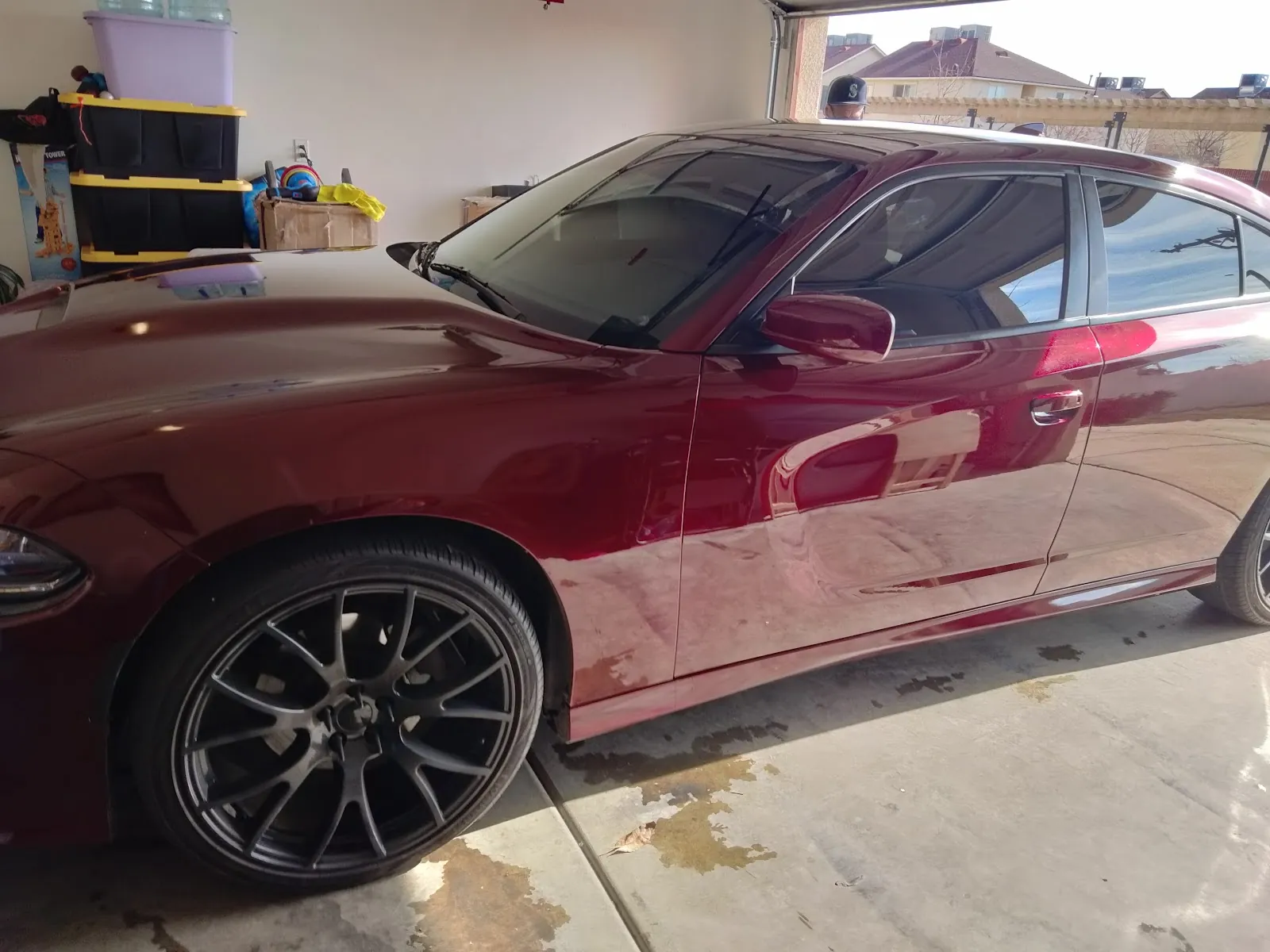
Bakersfield drivers tend to notice dust first, but the practical concern is the combination of dust, heat, outdoor parking, daily mileage, and how the car is used. A vehicle can look acceptable from the driveway while the glass, trim, door jambs, wheels, mats, and interior contact points are steadily collecting buildup. That is why a seasonal check-in can be more useful than an arbitrary date on the calendar.
After a dusty stretch, a long road trip, a busy sports season, or months of carrying work gear, take five minutes to inspect the car in good light. Look at the windshield from the driver's seat, the floor mats, door pockets, cup holders, wheel faces, lower panels, and the area around the trunk. If several of those spots need attention at once, a detail is usually more efficient than spending multiple weekends trying to catch up.
Mobile appointments should also be planned around the location. The EPA's vehicle-washing guidance notes that wash water can carry contaminants toward storm drains. Share whether the vehicle will be at a home, apartment, or workplace so the appointment can be planned responsibly and without last-minute surprises.
Use the seasons as a practical reminder
For many Bakersfield drivers, a change of season is a simple reminder to assess the vehicle. Late summer can expose dust, heat, road-trip residue, and a cabin that has been used hard. The months before holiday travel can be a good time to reset seats, mats, glass, and cargo areas. Spring is useful for checking the exterior after weather, pollen, and outdoor parking have had time to build up.
You do not have to book on the first day of a new season. The value is in using those points in the year to notice what has changed. Has the vehicle carried more passengers? Has a commute changed? Has the car been parked outside more often? Has a pet, new driver, or work routine made the interior harder to maintain? Those answers make the right schedule obvious without pretending every vehicle has the same needs.
Keep the car easier between details
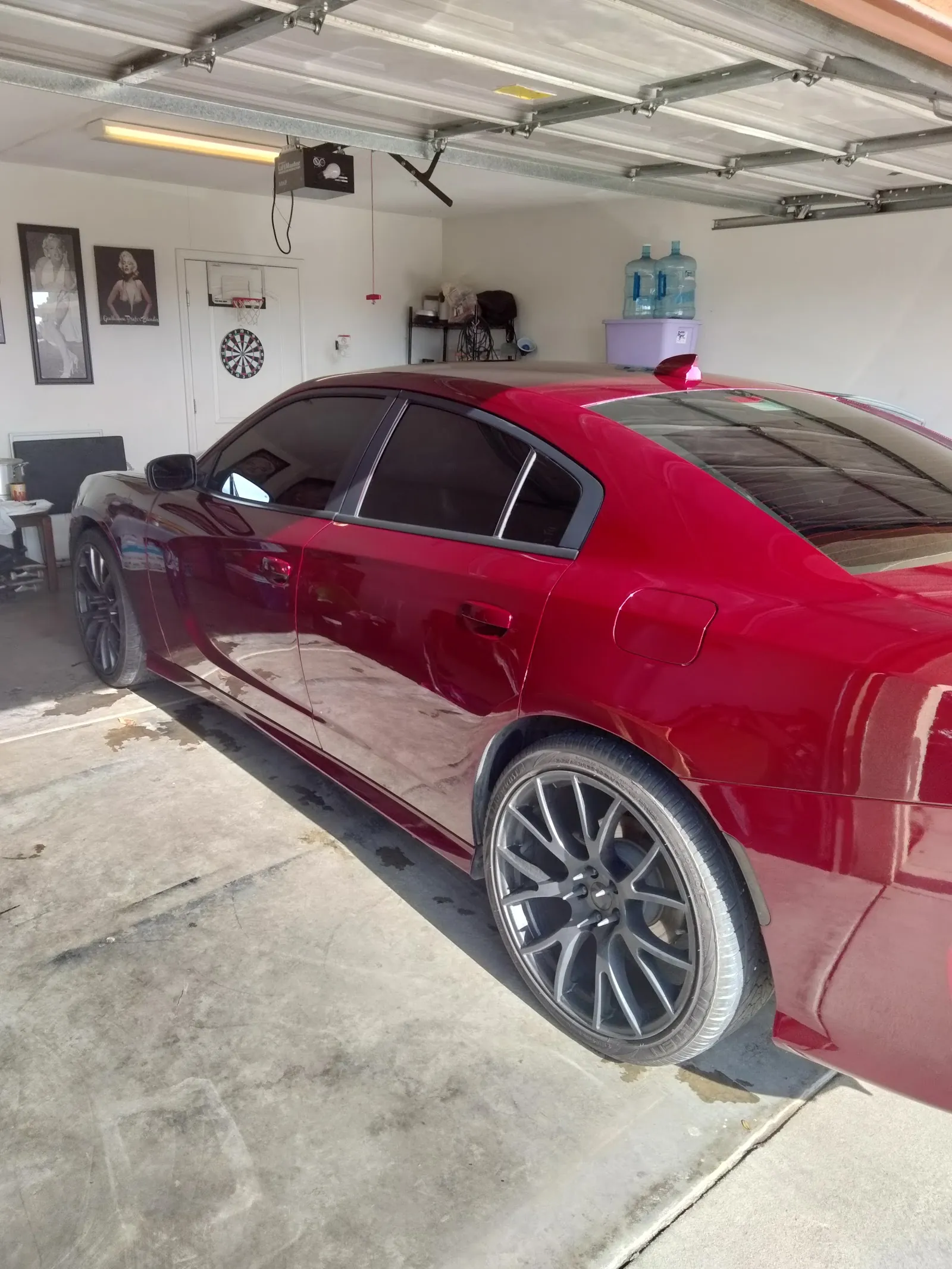
The easiest way to get more from a professional detail is not to chase a showroom look every weekend. It is to stop small problems from becoming large ones. Keep a small trash bag in the vehicle, shake out floor mats, remove food wrappers, and deal with spills as soon as you can. A two-minute reset at the gas station or after a road trip is much easier than rediscovering the whole interior months later.
On the outside, use clean microfiber towels rather than old household rags, avoid aggressive scrubbing on dirty paint, and do not let bird droppings, sap, or bug residue linger when you notice them. A routine wash has a role, but it is not the same service as detailing. When the surface needs more than a wash, choose the deeper work rather than rubbing harder and hoping for the best.
It also helps to separate cleaning from correction. A detail can make paint look dramatically better, but it cannot promise to erase every scratch, swirl, water spot, or etched mark. If paint defects are the concern, the paint correction page explains the more specialized service that may be needed. A clear scope saves time and makes the result easier to judge fairly.
Choose the detail that matches the car today
There is no prize for booking the biggest package. Choose an exterior detail when the paint, wheels, glass, and trim need attention. Choose an interior detail when the cabin is what makes the car feel worn. Choose a full detail when both sides need a reset. The current packages give you a clear starting point, while the final recommendation should reflect the vehicle's size, condition, and your actual goal.
On The Run Detailing serves Bakersfield and nearby Kern County communities at homes, workplaces, and apartments. The team can help you decide whether you need a focused refresh, a full detail, or a separate conversation about paint protection, correction, headlights, or deeper upholstery care. You can also browse the real detailing work before you book, then use the FAQ page for common questions about mobile appointments.
The right cadence is the one that keeps your vehicle comfortable to drive and easy to maintain. For many drivers that means every three to six months, with a sooner appointment when the car is working harder than usual or the buildup is already telling you it is time.